


Scaling Solutions.
Restoring Waters.
Transforming the Mediterranean.
TASC-RestoreMed is a flagship initiative under EU Mission Ocean, “Restore our Ocean and Waters by 2030”. TASC-RestoreMed launched in September 2025 and will run for a duration of four years.
The initiative seeks to catalyse the shift towards a sustainable blue economy in the Mediterranean basin, fostering long term environmental and economic resilience.
TASC-RestoreMed provides financial support, capacity building and a dynamic network to enable community-led projects, technological innovation, policy integration and stakeholder participation, all working together to drive transformative change in marine and freshwater ecosystems.
The Open Call will identify and support a high potential cohort of projects to receive comprehensive support spanning design, implementation and impact over 12-24 months.
Open Call 1
€8 Million in Funding, Technical Assistance, and Dynamic Networking for Community-Led Actions and Transition Agendas in the Mediterranean basin.
Are you a solution provider, organisation, community, or local authority making a difference in the Mediterranean basin and ready to drive the transition toward healthier, more resilient marine and coastal ecosystems?
Through its Financial Support to Third Parties (FSTP), the TASC-RestoreMed project invites visionary stakeholders to co-develop, demonstrate, and replicate innovative solutions that restore and sustainably manage our seas and waters, in alignment with the EU Mission “Restore our Ocean and Waters.”
A total of EUR 9,000,000 in grants will be made available across two distinct Open Calls to support impactful initiatives:
Community-Led Actions (CLA)
Scale-up and Deployment Call
Empowering communities to implement and scale high-impact innovations that restore ecosystems, reduce pollution, and advance the Mediterranean blue transition — with active community involvement ensuring local needs and voices guide the process.
- Total funding: €7 million
- Funding support: €200,000 – €1.4 million per project
- Minimum 5 projects funded
- Project duration: up to 24 months
Transition Agenda Development (TAD)
Local and Regional Development Roadmaps Call
Supporting the creation of strategic roadmaps and governance models for long-term regional sustainability, grounded in a bottom-up approach that engages local and regional authorities alongside citizens and stakeholders in shaping and adapting policy.
- Total funding (available in the first round): €1 million
- Total funding (available in the second round): €1 million
- Funding support: up to €100,000 per project
- Minimum 10 projects funded per round
- Project duration: up to 12 months
Info Webinars, Town Hall Meetings & HelpDesk
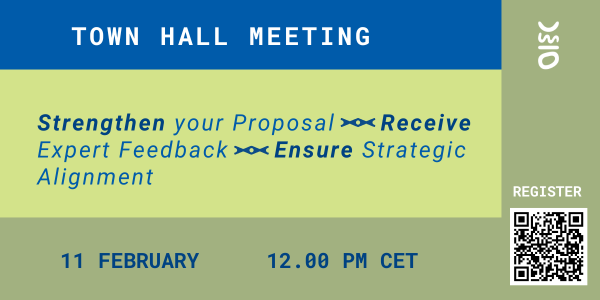
Do you have questions about the Open Call or wish to better understand how to prepare your application? Stay tuned for a series of Info Webinars, Help Desk, and Virtual Town Hall Meetings designed to guide potential applicants throughout the process.
BEYOND FUNDING
Alongside financial support, the initiative will provide a suite of capacity building and networking opportunities including:
- Customized technical assistance complemented by business and policy advisory services.
- Access to cutting-edge resources through RestoreMed TOOLS digital toolkit, including innovative tools such as the Ocean Digital Twin.
- Direct alignment with EU Mission Ocean objectives and key European Union environmental policies and regulations.
A HOLISTIC FRAMEWORK
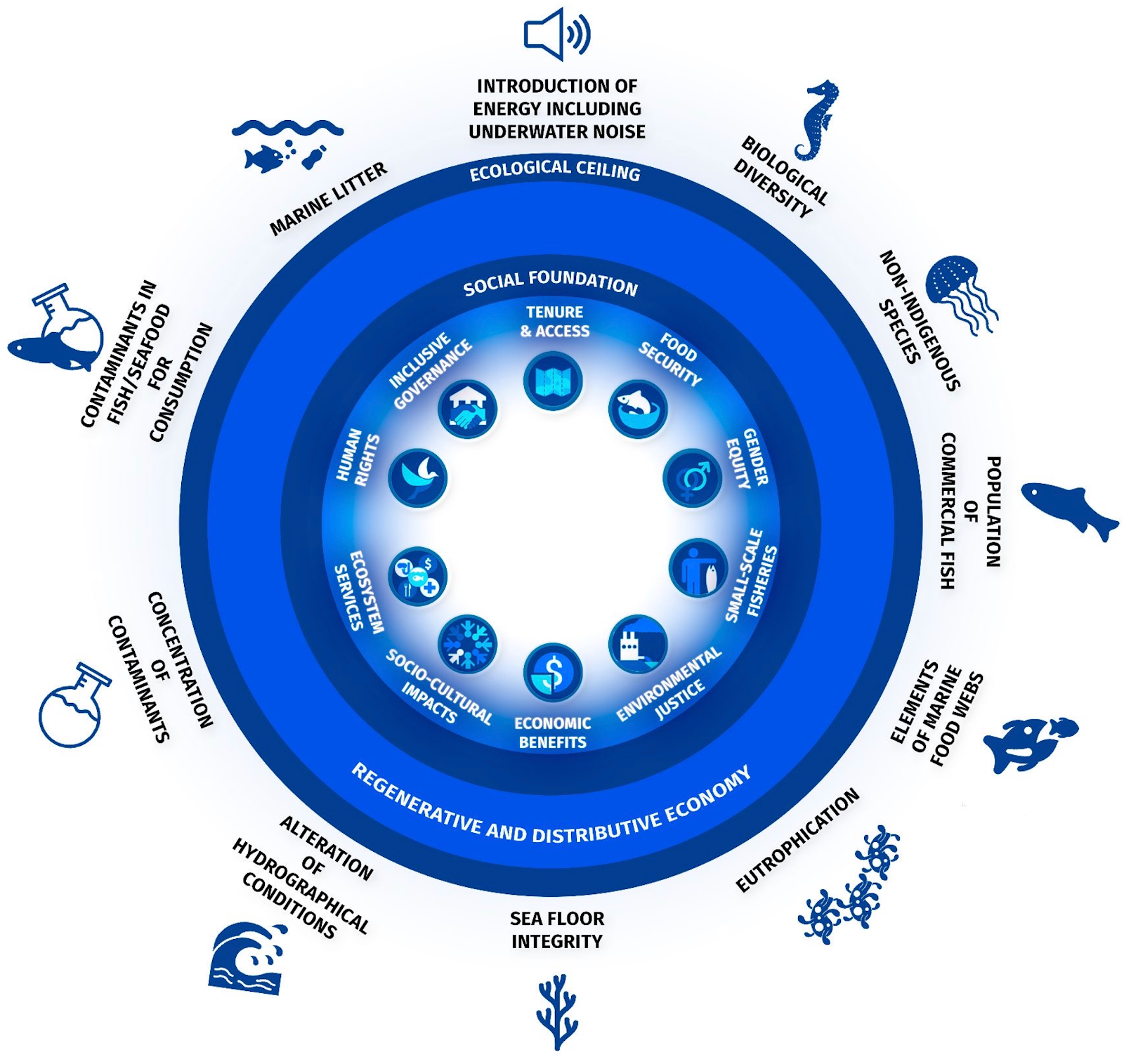
At its core, TASC-RestoreMed is built on the Blue Doughnut model, a marine adaptation of the Doughnut Economics framework by Kate Raworth. The programme holistically addresses environmental thresholds (outer ring) and social foundations (inner ring) to ensure balance between ecosystem regeneration and community well-being.
This approach enables us to integrate environmental, social and economic dimensions into marine restoration efforts, ensuring long-term resilience and sustainability. It is this systemic and inclusive perspective that underpins our selection for this framework and guides all activities under the initiative.
COMMUNITY BUILDING AND KNOWLEDGE EXCHANGE
A core pillar of TASC-Restore Med is connecting a vibrant community of innovators, researchers, policy makers and members of the civil society around marine restoration and innovation.
To support this, the initiative will host interactive events such as the Sustainathon, clustering meetings to connect and align funded projects, and an end of project Lighthouse Conference to showcase outcomes, lessons learned and catalyse future collaborations. These activities will strengthen cross- sector networks and accelerate the collective impact of projects aligned with EU Mission Ocean objectives.
COLLABORATIVE ALLIANCE
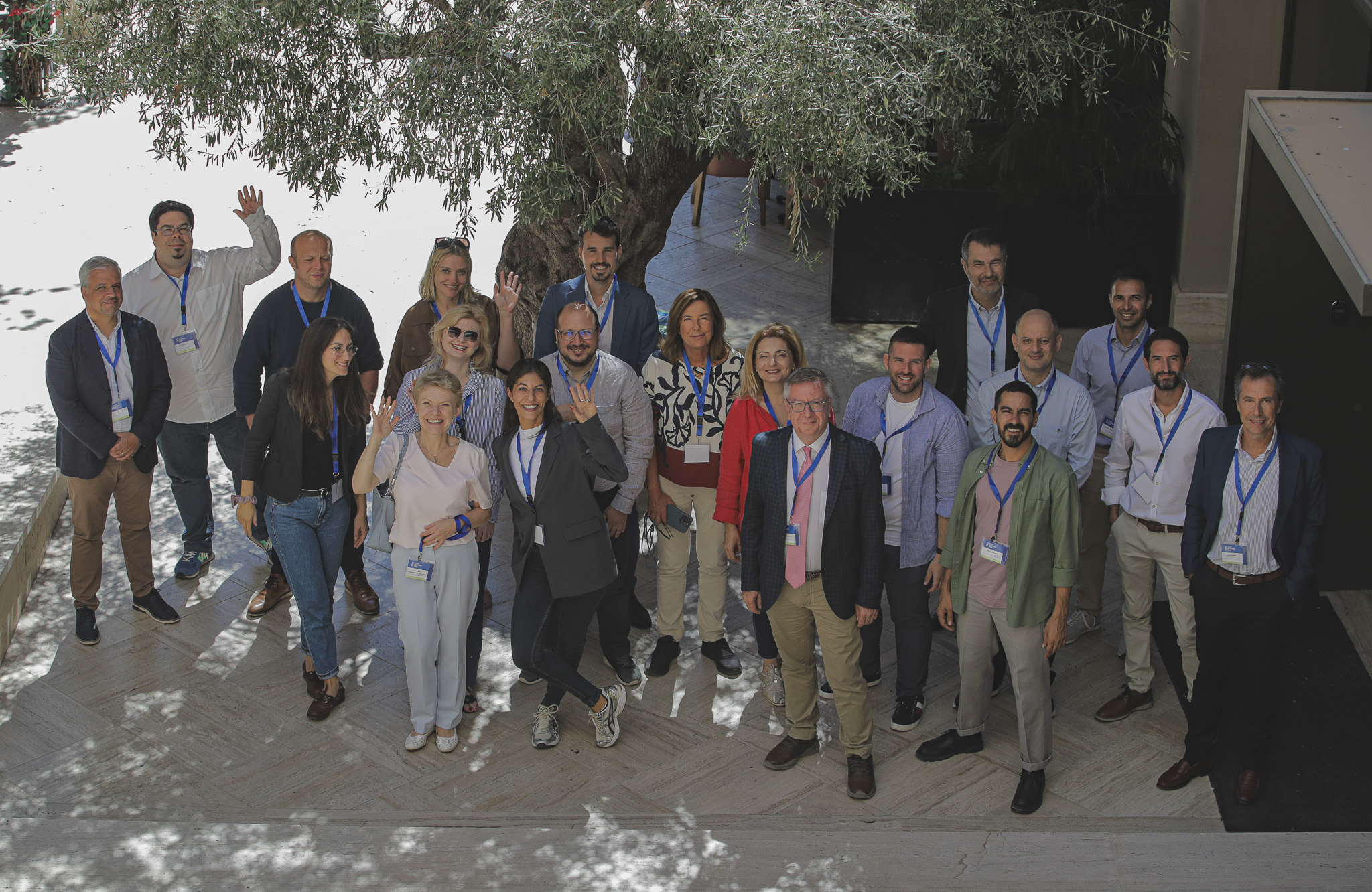
Ten partners from nine countries join forces as a cohesive network to drive the program’s objectives: the Hellenic Centre for Marine Research (Coordinator – HCMR), the National Technical University of Athens (NTUA), the Interdisciplinary Centre of Marine and Environmental Research (CIIMAR), Impact Hub Athens (IHA), Asociación Centro Tecnológico Naval y del Mar (CTN), Frederick University (FREDU), the University of Maribor (UM), Vlaams Instituut voor de Zee (VLIZ), F6S (F6S) and Infordata (INFOR).
Impact Hub Athens drives the Community Building efforts, as well as the Communication and Dissemination activities, and co-develops the Blue Doughnut Diagnostics and Social Impact Assessment Frameworks. Leveraging extensive local and international experience gained over the past decade in fostering social innovation and systemic change and anchored on its strong presence in Greece and the International Impact Hub Network across 65 countries, Impact Hub Athens has a pivotal role in engaging communities, in fostering sustainable practices and collaboratively developing inclusive solutions.





Funded by the European Union. Views and opinions expressed are however those of the authors only and do not necessarily reflect those of the European Union or the European Climate, Infrastructure and Environment Executive Agency (CINEA). Neither the European Union nor the granting authority can be held responsible for them.
